
Worth III: The Price of Belonging
We can pay the dues for belonging without even realizing it. We pay in silence, in editing, in exchange for proximity to what we hope will include us.
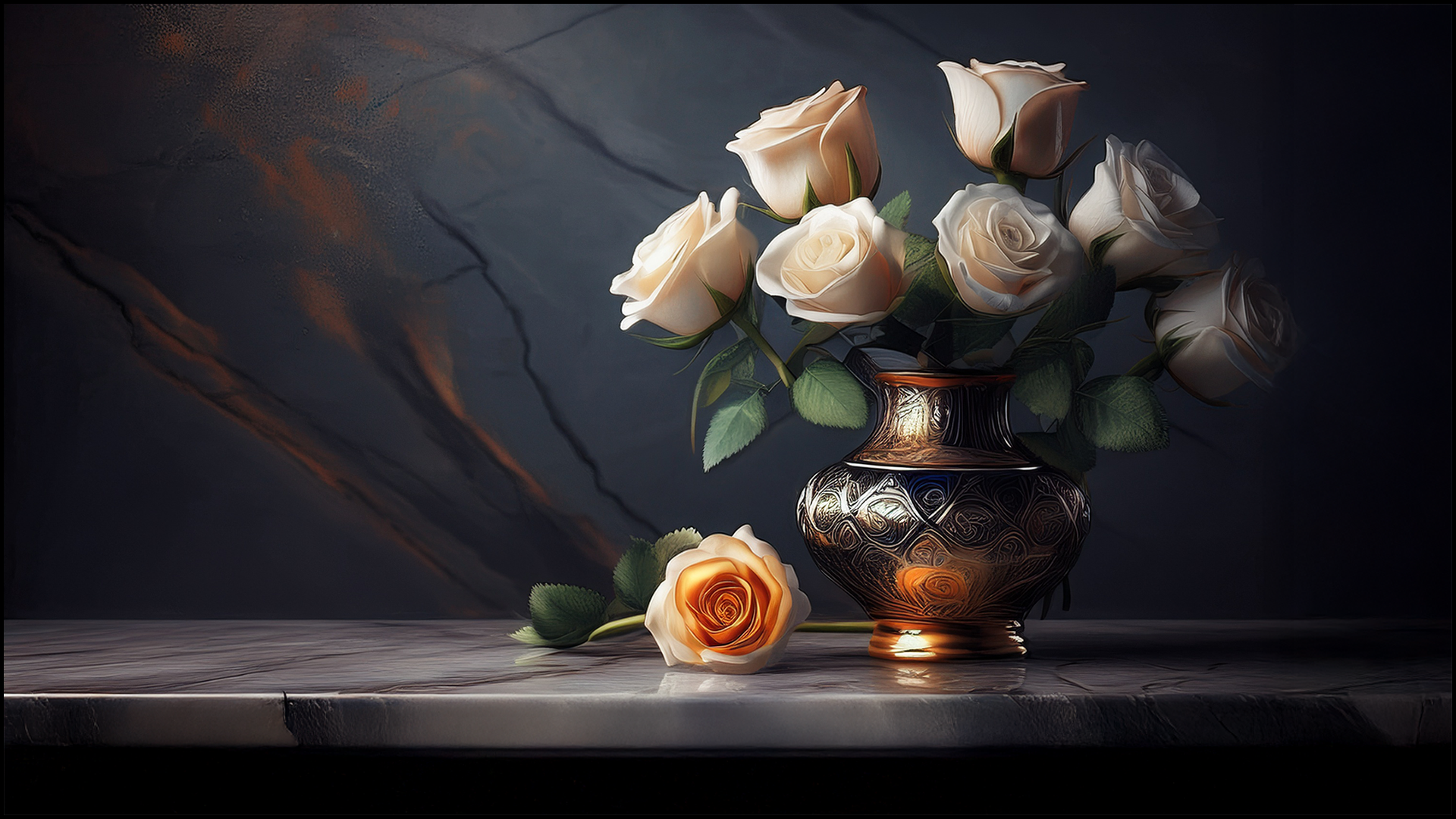
A gentle reckoning with what we give up to get invited in
Belonging can feel as essential as air, but it can come at a cost.
Sometimes the cost is visible, like a password, tuition, what it takes to buy your way in.
But more often, it’s quiet:
a way of dressing,
a tone you learn to use,
a dream you set aside,
so you’ll fit in.
What We Pay
Without Noticing
Many creative people spend their lives orbiting rooms they long to enter.
You try to look like you already belong. You change your story.
You downplay what’s “too much” about you.
But belonging bought by erasing yourself isn’t belonging. It’s performance.
And it’s expensive. It costs you your truth and the full range of your humanity.
Blending in and
Social Theater
The curated personality, the sculpted shape, the designed presentation.
None of this is horrible, but the culture around it can subtly whisper:
“Unless you show up like this, you don’t quite belong.”
It’s about feeling left out. It’s about the encrypted codes of worth and the exhaustion of decoding them.
True Belonging doesn’t demand Performance
It welcomes your unusualness, your unique qualities, and your unexpected ideas.
It doesn’t require that you remodel your identity. It doesn’t exile you if you don’t match up.
It tells you: “Your way of being adds something we need.”
A Paradox
Sometimes, there’s tension between wanting to belong and longing to be where you can be yourself.
You can try so hard to fit in that you forget who you were when you started.
You belong where you don’t have to be on stage, where you don’t have to rehearse what you’re going to say or memorize your moves.
You belong where who you truly are is the role of a lifetime.
Prompts
In your notebook, give this some thought:
When you find yourself performing, ask yourself why.
What does that performance protect you from?
What are you afraid of?
What would it be like if you weren’t afraid?
What would you be like?
How can you hold on to that?

Watch the video: